Christopher: A Bold Display Font for Dynamic Web Design
Christopher for Retro-Inspired Branding and Digital Identity
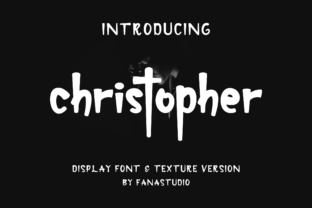
Christopher is a standout display font that brings a retro and textured aesthetic to modern web design. Its unique shapes and stylized letterforms make it ideal for designers looking to create a strong brand tone without sacrificing digital clarity. Whether you're building a vintage-themed landing page or crafting a memorable logo, Christopher adds a layer of personality that elevates your online identity and visual storytelling.
Using Christopher for Website Headers and Hero Sections
As a scary display font, Christopher shines in bold headers and hero sections where visual impact is key. Its textured strokes and retro-inspired design make it perfect for Halloween-themed websites, horror movie promotions, or edgy brand campaigns. When used in large sizes on a hero banner, Christopher commands attention and sets the tone for the user experience. Pair it with clean sans-serif fonts to maintain readability and balance in your digital product or landing page layout.
Christopher for Creative Portfolio Sites and Online Branding
Creative professionals such as illustrators, graphic designers, and content creators can use Christopher to craft standout portfolio websites. Its distinctive style works well in section headings, featured project titles, and callout text. Whether you're designing a personal blog or a curated brand kit, Christopher adds a handcrafted, nostalgic feel that resonates with audiences. For best results, use it sparingly to highlight key phrases and maintain a clear visual hierarchy across your web design project.
Christopher for Call-to-Action Buttons and Short Phrases
While Christopher is not ideal for long-form body copy, it excels in short, high-impact areas like call-to-action buttons and promotional banners. Its textured appearance gives digital buttons a tactile, expressive quality that can enhance user engagement. When designing a conversion-focused layout, use Christopher for action phrases like “Limited Time Offer” or “Join the Movement” to create urgency and visual appeal. Always test readability on both light and dark backgrounds to ensure optimal contrast.
Christopher for Online Store Banners and Product Pages
E-commerce designers can leverage Christopher to create memorable product displays and promotional banners. Its retro texture works well in boutique shops, limited-edition product drops, and seasonal campaigns. When used on banners or featured product titles, Christopher communicates a sense of uniqueness and craftsmanship. To maintain a cohesive brand identity, pair it with a clean, modern sans serif for supporting text and pricing details.
Christopher for Blog Headers and Social Media Graphics
Bloggers and content marketers can enhance their visual storytelling by using Christopher in blog headers and featured graphics. Its textured look adds depth to editorial layouts and makes headlines more engaging. For social media assets, Christopher works well in quote graphics, story highlights, and post titles that need to stand out in a feed. Just be mindful of font size and spacing to ensure it remains legible on mobile screens and image overlays.
Christopher for Dark Mode and Responsive Web Design
When designing with Christopher, it's important to consider how it performs across different screen sizes and background styles. On dark backgrounds, its textured edges can create a dramatic effect, especially in hero sections or modal windows. For mobile responsiveness, use it at larger sizes for headings and avoid compressing the font in small buttons or navigation bars. Always test how it renders across browsers and devices to ensure a smooth user experience.
Font Pairing Tips for Using Christopher in Web Layouts
To maximize the impact of Christopher in your web design, pair it with a clean, legible font for body text and supporting elements. A modern sans serif like Montserrat or Open Sans works well for paragraph text, while a serif font can add contrast for editorial-style layouts. When designing a digital brand kit, establish a consistent typographic system by defining where Christopher should be used—such as headers, logos, and feature titles—versus where simpler fonts should take the lead.
Christopher for Digital Ads and Course Sales Pages
Marketers and course creators can use Christopher to design high-conversion sales pages and digital advertisements. Its unique style draws the eye and helps reinforce brand tone, especially for niche audiences or themed campaigns. Use it in headlines, key benefits, and testimonials to create a visually engaging layout. For best results, pair it with a minimalist layout to avoid overwhelming users while still delivering a strong emotional impact.
What to Look for When Licensing Christopher for Web Use
Before implementing Christopher in a live website or client project, always verify the font’s licensing terms. Ensure it includes webfont formats (like WOFF or TTF) and supports the platforms you're using—whether it’s a custom-coded site, a CMS like WordPress, or a no-code builder like Webflow. Also, check for multilingual support if your audience spans multiple regions. A properly licensed display font ensures legal compliance and professional polish in your final digital product.